
Loading...
Blog > Buying a Treasure Valley Home From Out of State Without Flying In
A meaningful share of the buyers we work with sign their closing documents from a kitchen table in another state and see their new home in person for the first time with a moving truck in the driveway. It is not the way most people picture buying a house. It works, when the process is built for it. Here is how we run a remote purchase in Ada and Canyon counties, step by step.
Can You Buy a House in Idaho Without Visiting?
Yes. Every step of a Treasure Valley purchase can be completed remotely: touring by live video with your agent, reviewing the seller's disclosure and inspection report electronically, signing the purchase agreement by e-signature, and closing through a notary arranged by the title company in your state. Ada County homes averaged 39 days on market in September with 2,006 active listings, per Boise Regional REALTORS, so remote buyers have inventory to work with and time to be deliberate.
Key Takeaways
- A remote purchase runs on live video tours, not listing photos.
- Your inspector becomes your eyes; attend the inspection by video and read the full report.
- E-signatures cover the contract; closing is handled by a notary in your state.
- A local agent who tours in person is the difference between a good and a bad outcome.
- Plan for a longer due diligence period than a local buyer would need.
The Market a Remote Buyer Is Walking Into
- Ada County median sale price in September: $575K, up 2.9% from a year ago, per Boise Regional REALTORS
- Canyon County median: $443,523, up 5.1%, per BRR
- Ada County active listings at the end of September: 2,006, per BRR
- Ada County months of supply: 2.4, per BRR
- The 30-year fixed averaged 7.18% the week of November 5, down from a 7.40% peak in October, per Freddie Mac
Buying from another state and want someone local who will actually walk the property? Talk with our team and we will set up your first video tour this week.
Step One: Narrow the Map Before You Tour Anything
The biggest mistake remote buyers make is touring too broadly. The Treasure Valley runs from the Boise foothills to Caldwell, and the lifestyle difference between a Boise bench bungalow, an Eagle acreage, a Meridian subdivision, and a Kuna new build is enormous. You cannot sort that out by video.
Start with commute, if you have one. Then lot size and whether you want an HOA. Then the age of home you are comfortable with. Then price, which in September ran from a $443,523 median in Canyon County to $575K in Ada County, per Boise Regional REALTORS, with a wide spread by city inside each.
We send remote clients a short questionnaire on these points before the first tour, and we usually land on two or three target areas. Our relocation guide covers the main areas and what distinguishes them, and it is the right place to start before you get on a call.
Step Two: Tour by Live Video, Not Photos
Listing photos are marketing. A live video tour is information.
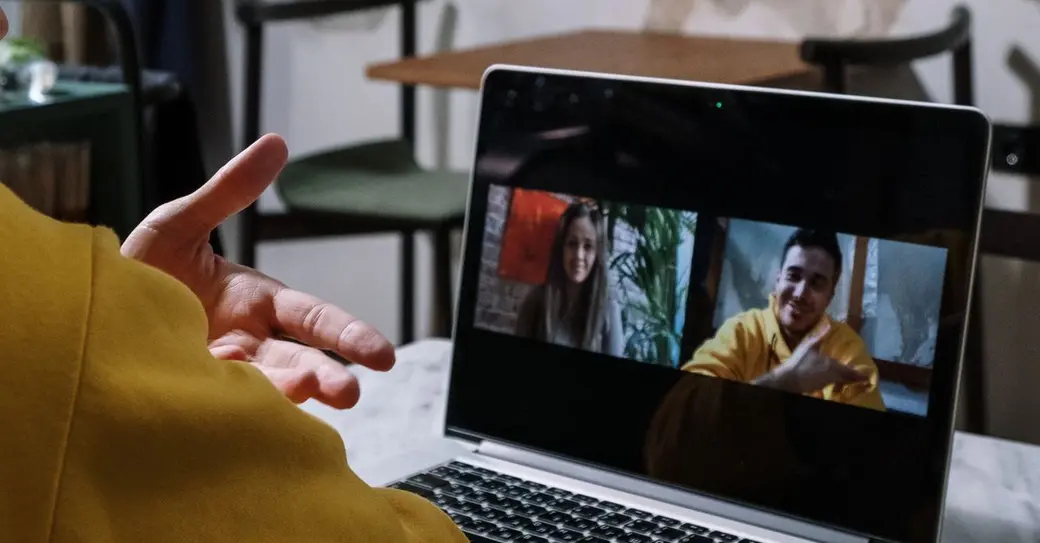
When we tour for a remote buyer, we walk the property with the camera on a video call, not a recording, so you can direct us. Open that closet. Show me the water heater. Walk to the back fence and turn around. Stand in the street and show me the neighbors on both sides. Drive the route to the nearest grocery store. The things you would notice in person, you can notice this way if the person holding the phone is willing to look.
Ask for the things the listing will not show: the noise level with the windows open, the condition of the fence, the slope of the lot, what the backyard looks at, how the garage door sounds. Ask to see the electrical panel and under every sink. Ask how the house smells.
We also tour the street and the surrounding blocks. A home that looks great in photos may back up to a busy road or a commercial lot. That is the kind of thing a local agent sees in the first thirty seconds and a remote buyer never sees at all without asking.
Our YouTube channel has neighborhood drives and market updates that give a feel for the areas before you schedule anything.
Step Three: Build the Due Diligence Period for Distance
A local buyer can swing by the house three times during the inspection period. You cannot. Build the contract around that.
Ask for an inspection period of ten days or more rather than the shorter periods that are common in competitive offers. In a market at 2.4 months of supply, per Boise Regional REALTORS, that may cost you a little in negotiating strength, and it is worth it.
Attend the inspection by video. A good inspector will walk you through findings live, and the full written report with photos arrives within a day. Read the whole report, not the summary. Then have a second call with your agent to go through anything that needs a specialist, such as a roofer, a plumber for a sewer scope, or a structural engineer for foundation concerns.
Order the sewer scope and, for any home on a well and septic, the water test and septic inspection. Remote buyers skip these more often than local buyers do because they are not there to see why they matter. Do not skip them.
Read the seller's property disclosure before you write the offer, which under Idaho law the seller must deliver within ten days of acceptance, per Idaho Code Title 55, Chapter 25. In most Treasure Valley transactions, it is available before the home goes live.
If the home is in an HOA, get the governing documents, budget, and meeting minutes early. The timeline for delivering those is set in the contract, and a remote buyer should not be reading them on the last day of the review period.
Step Four: Financing From a Distance
Your lender does not need to be in Idaho, but your lender does need to be comfortable lending in Idaho and able to close on Idaho's timeline. Many national lenders are. Some local lenders are better at it than any national lender because they know the title companies and appraisers here.
Get fully underwritten before you write an offer. For a remote buyer this matters even more than for a local one, because the seller's agent will already be weighing the fact that you have not seen the home in person. A full underwriting approval, as opposed to a prequalification letter, removes one of the two questions they have about you.
With the 30-year fixed at 7.18% the week of November 5, per Freddie Mac, after three weeks of declines from the October peak, talk with your lender about rate lock length and whether a float-down is available. A remote purchase sometimes needs a few extra days at closing, and a lock that expires the day before you sign is a problem you can avoid.
Our buyer's guide covers the financing sequence in more detail, and the sequence is the same whether you live in Boise or Baltimore.
Step Five: Signing and Closing Without Getting on a Plane
The purchase agreement, counteroffers, addenda, and disclosures are all handled by e-signature in Idaho. You will sign them on your phone or laptop within minutes of receiving them.
Closing documents are different, because the deed of trust and certain other documents require notarization. The title company handles this. The most common approach is a mobile notary in your state, who comes to your home or office with the closing package, witnesses your signatures, and sends the documents back by overnight courier. The title company arranges and schedules it. Plan on signing two to three business days before the closing date to allow for shipping.
Idaho also permits electronic and remote online notarization under rules set by the Idaho Secretary of State, per the Idaho SOS notary information page, and some title companies offer a fully online closing through an approved platform. Ask your title company what they support. Mobile notary is still the default for most remote closings in our experience, and it works.
Funds are wired. Confirm wire instructions by phone with the title company at a number you looked up independently, never from an email. Wire fraud targets remote buyers specifically because they are not walking into the title office.
What Changes After Closing
You get keys from your agent or the title company, usually with a lockbox code or a coordinated handoff with your movers. We have met moving trucks at the curb more times than we can count.
Set up utilities the week before closing. Idaho Power, Intermountain Gas, and the city water utilities each have online setup. Trash service is generally through the city or an assigned hauler. Your agent will give you the list for your specific address.
And then the part that no process document can replace: you drive up to a home you have only seen through a phone. The buyers who are happiest at that moment are the ones who asked the most questions during the video tours and read the inspection report twice. Do that, and the surprise on moving day is a good one.
Ready to buy here from there? Call us at 208-789-4320 and we will put together your remote purchase plan, starting with the first tour.
Frequently Asked Questions
Can I buy a house in Idaho without seeing it in person?
Yes. Live video tours, electronic document delivery, e-signatures on the purchase agreement, and notary arrangements through the title company make a fully remote purchase routine. The key is working with a local agent who tours thoroughly and reports what they see.
How do remote closings work in Idaho?
The title company sends the closing package to a mobile notary in your state, you sign in person with that notary, and the documents go back by overnight courier. Some title companies also support remote online notarization through approved platforms. Ask your title company which options they offer.
Should I use a lender in Idaho or one in my current state?
Either can work. What matters is that the lender is licensed to lend in Idaho, is comfortable with Idaho closing timelines, and can deliver a full underwriting approval before you write an offer.
How long should my inspection period be as a remote buyer?
Longer than a local buyer's. Ten days or more gives you time to attend the inspection by video, read the full report, and order specialist follow-ups like a sewer scope or a septic inspection without being rushed.
Do sellers take remote buyers seriously?
Yes, when the offer is clean. A full underwriting approval, a local agent who has walked the home, and a clear closing plan answer the questions a seller has about a buyer they will never meet.
What is the biggest risk for an out-of-state buyer?
Wire fraud and under-inspection, in that order. Always confirm wire instructions by phone using a number you found independently, and never skip the sewer scope, water test, or septic inspection on the theory that the house looks fine on video.
How much does a home cost in the Treasure Valley right now?
The Ada County median was $575K in September and the Canyon County median was $443,523, per Boise Regional REALTORS. Individual cities inside each county vary widely from those figures.
About the Author
Denise Abmont is an Associate Broker and REALTOR® who leads Abmont Realty Group at Amherst Madison in Eagle, Idaho, with her husband and co-owner Joe Abmont. Since founding the team in 2017, they and their 10 agents have helped more than 700 families buy and sell across the Treasure Valley, representing $400M+ in total sales. Many of those families bought their home from another state and met it for the first time with the keys already in hand. Reach the team at 500 E Shore Dr, Ste 218, Eagle, ID 83616, call 208-789-4320, or visit the Abmont Realty Group team page.
Displaying blog.html. Page 1 of 5

CONTACT US
Phone